KR EN

Research Paper

All (13)

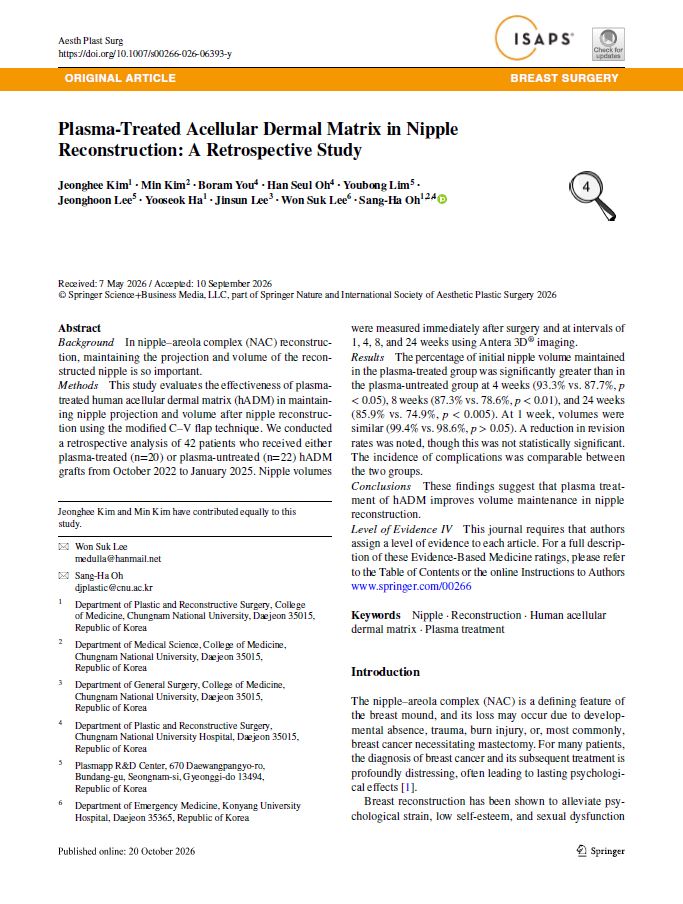
Plasma‑Treated Acellular Dermal Matrix in Nipple Reconstruction; A Retrospective Study

1) Introduction: Maintaining reconstructed nipple volume is an important surgical objective. This study examined outcomes associated with plasma-treated human acellular dermal matrix (hADM). 2) Materials and Methods: A retrospective analysis included 42 patients undergoing modified C–V flap nipple reconstruction with plasma-treated (n = 20) or untreated (n = 22) hADM. Three-dimensional imaging assessed volume through 24 weeks. 3) Results: Volume retention was higher in the treated group at weeks 4, 8, and 24. At week 24, retention was 85.9% versus 74.9% (p < 0.005). Complication rates were comparable; the difference in revision rates was not statistically significant. 4) Conclusions: Plasma-treated hADM was associated with improved volume r...
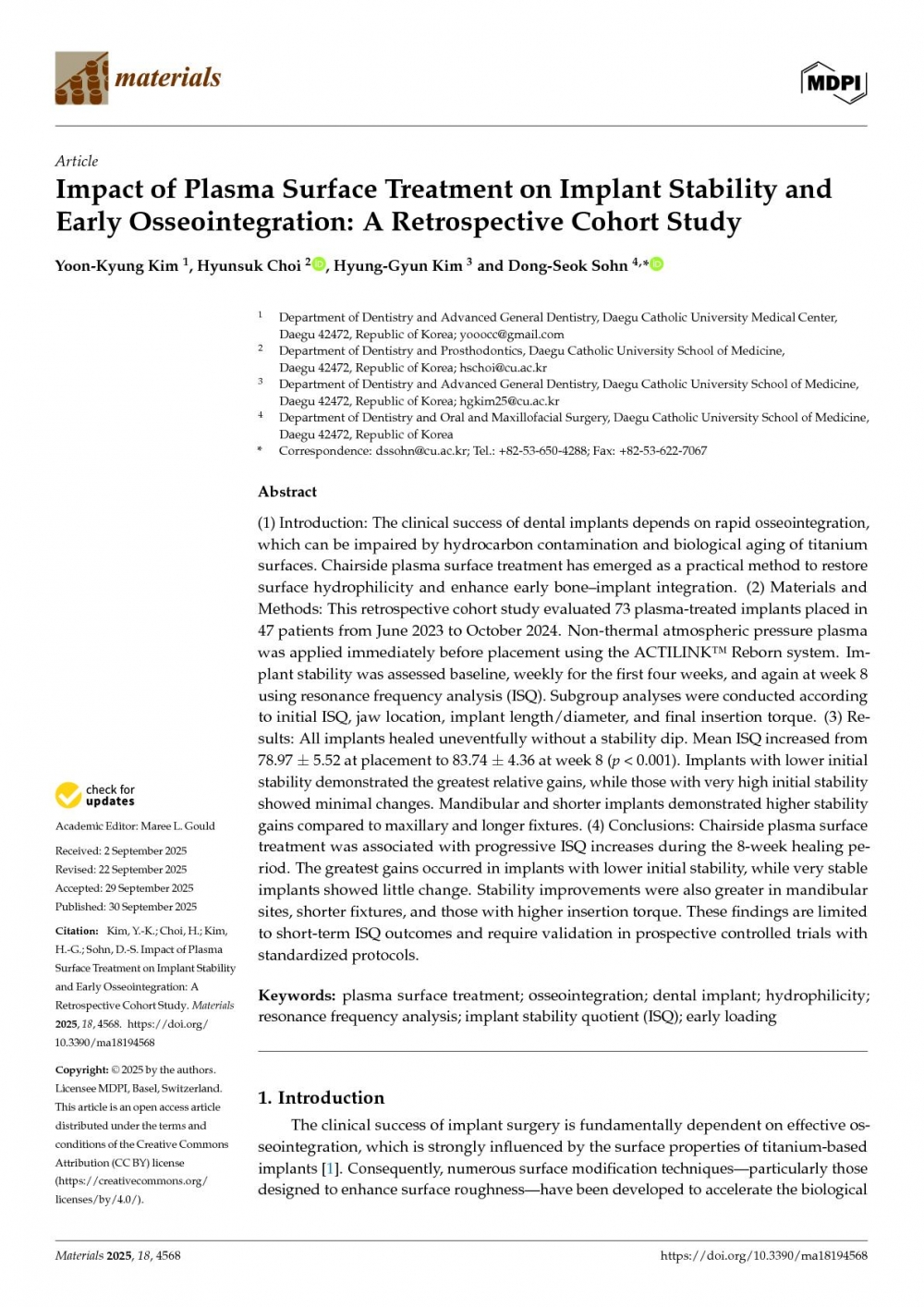
Impact of Plasma Surface Treatment on Implant Stability and Early Osseointegration: A Retrospective Cohort Study

1) Introduction: The clinical success of dental implants depends on rapid osseointegration, which can be impaired by hydrocarbon contamination and biological aging of titanium surfaces. Chairside plasma surface treatment has emerged as a practical method to restore surface hydrophilicity and enhance early bone–implant integration. (2) Materials and Methods: This retrospective cohort study evaluated 73 plasma-treated implants placed in 47 patients from June 2023 to October 2024. Non-thermal atmospheric pressure plasma was applied immediately before placement using the ACTILINK™ Reborn system. Implant stability was assessed baseline, weekly for the first four weeks, and again at week 8 using resonance frequency analysis (ISQ). Subgroup analys...

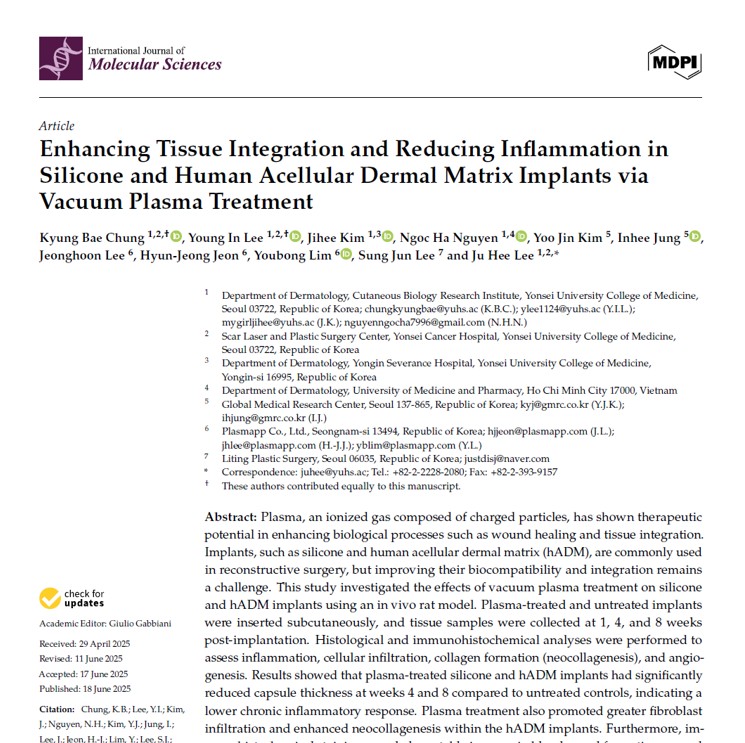
Enhancing Tissue Integration and Reducing Inflammation in Silicone and Human Acellular Dermal Matrix Implants via Vacuum Plasma Treatment

Plasma, an ionized gas composed of charged particles, has shown therapeutic potential in enhancing biological processes such as wound healing and tissue integration. Implants, such as silicone and human acellular dermal matrix (hADM), are commonly used in reconstructive surgery, but improving their biocompatibility and integration remains a challenge. This study investigated the effects of vacuum plasma treatment on silicone and hADM implants using an in vivo rat model. Plasma-treated and untreated implants were inserted subcutaneously, and tissue samples were collected at 1, 4, and 8 weeks post-implantation. Histological and immunohistochemical analyses were performed to assess inflammation, cellular infiltration, collagen formation (neoco...

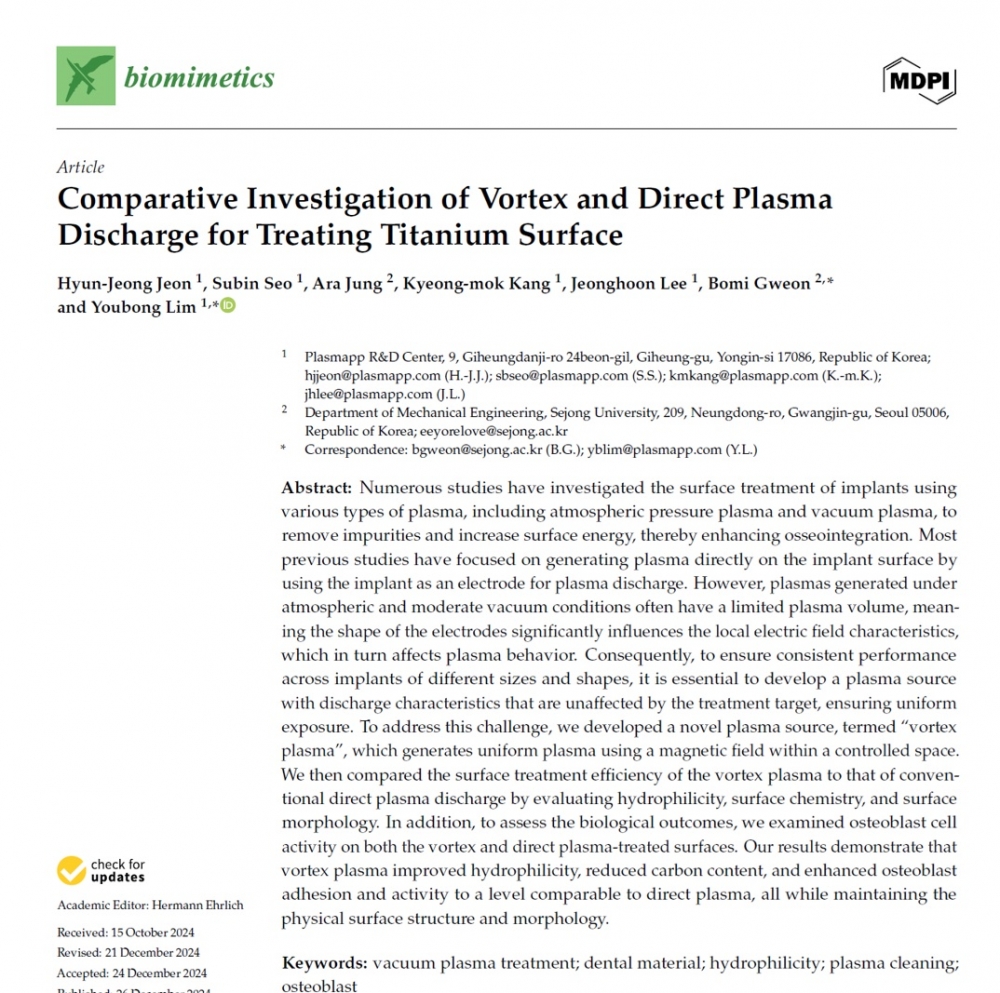
Comparative Investigation of Vortex and Direct Plasma Discharge for Treating Titanium Surface

Abstract Numerous studies have investigated the surface treatment of implants using various types of plasma, including atmospheric pressure plasma and vacuum plasma, to remove impurities and increase surface energy, thereby enhancing osseointegration. Most previous studies have focused on generating plasma directly on the implant surface by using the implant as an electrode for plasma discharge. However, plasmas generated under atmospheric and moderate vacuum conditions often have a limited plasma volume, meaning the shape of the electrodes significantly influences the local electric field characteristics, which in turn affects plasma behavior. Consequently, to ensure consistent performance across implants of different sizes and shapes, it...

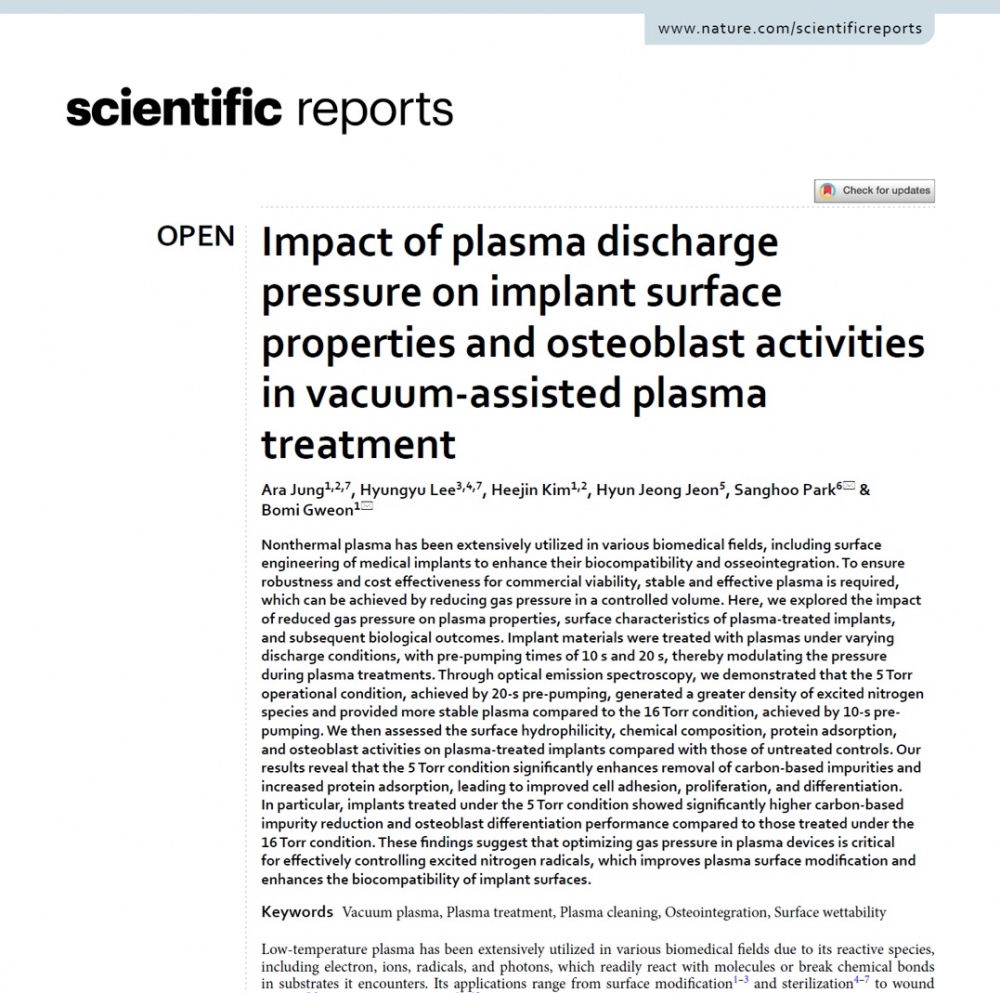
Impact of plasma discharge pressure on implant surface properties and osteoblast activities in vacuum-assisted plasma treatment

Nonthermal plasma has been extensively utilized in various biomedical fields, including surface engineering of medical implants to enhance their biocompatibility and osseointegration. To ensure robustness and cost effectiveness for commercial viability, stable and effective plasma is required, which can be achieved by reducing gas pressure in a controlled volume. Here, we explored the impact of reduced gas pressure on plasma properties, surface characteristics of plasma-treated implants, and subsequent biological outcomes. Implant materials were treated with plasmas under varying discharge conditions, with pre-pumping times of 10 s and 20 s, thereby modulating the pressure during plasma treatments. Through optical emission spectroscopy, we...

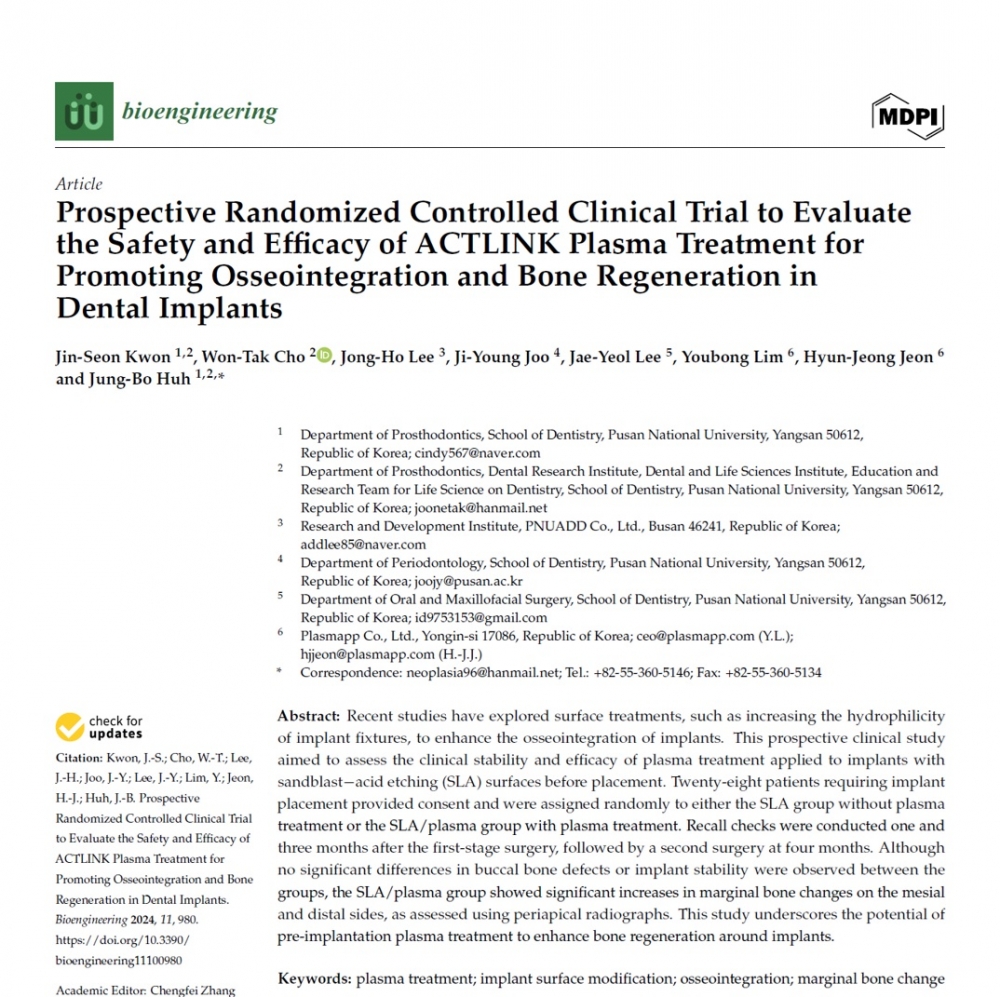
Prospective Randomized Controlled Clinical Trial to Evaluate the Safety and Efficacy of ACTLINK Plasma Treatment for Promoting Osseointegration and Bone Regeneration in Dental Implants

Recent studies have explored surface treatments, such as increasing the hydrophilicity of implant fixtures, to enhance the osseointegration of implants. This prospective clinical study aimed to assess the clinical stability and efficacy of plasma treatment applied to implants with sandblast−acid etching (SLA) surfaces before placement. Twenty-eight patients requiring implant placement provided consent and were assigned randomly to either the SLA group without plasma treatment or the SLA/plasma group with plasma treatment. Recall checks were conducted one and three months after the first-stage surgery, followed by a second surgery at four months. Although no significant differences in buccal bone defects or implant stability were observed be...